School’s Out: Why Summer Is an Ideal Time to Complete School Painting Projects
When students leave for summer break, school administrators and facility managers have an opportunity to address building projects that can be more complicated to complete during the academic year. Painting is one of those projects.
Classrooms, hallways, offices, cafeterias, gymnasiums, and other areas can be evaluated for worn or damaged painted surfaces. With fewer students and activities taking place in the building, schools may also have more flexibility when coordinating access to the areas that need attention.
For schools in the Pittsburgh area considering professional painting services, summer provides an opportunity to evaluate priorities and complete projects before students return.
Why Schools Often Plan Painting Projects During Summer
Painting an occupied school requires careful coordination. Classes, student activities, staff schedules, meetings, and other events can affect when contractors have access to different areas of a building.
Summer can reduce some of these scheduling challenges.
Depending on the school's summer activities and the scope of the project, contractors may have greater access to classrooms, hallways, administrative spaces, and other areas. This can make it easier for administrators and contractors to establish a project schedule that works for the facility.
Every school operates differently, so the project schedule should still account for summer programs, staff working in the building, maintenance projects, and other scheduled activities.
Start by Identifying the Areas That Need Attention
A school painting project does not always need to involve the entire building. Administrators and facility managers can begin by inspecting different areas and prioritizing spaces based on their condition.
Look for issues such as:
- Scuffed or marked walls
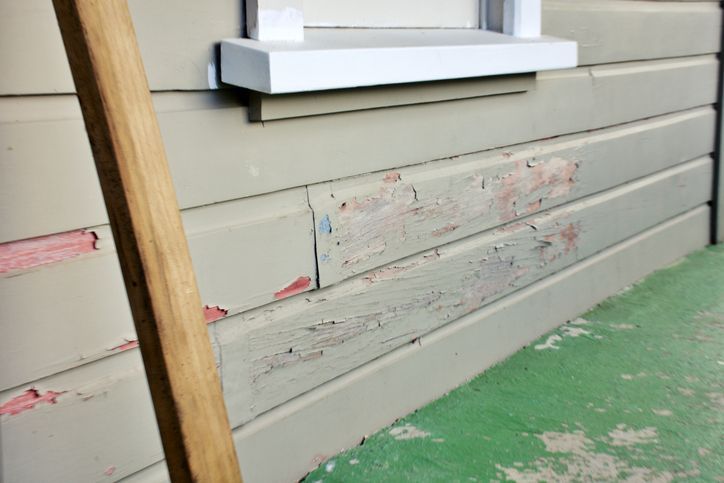
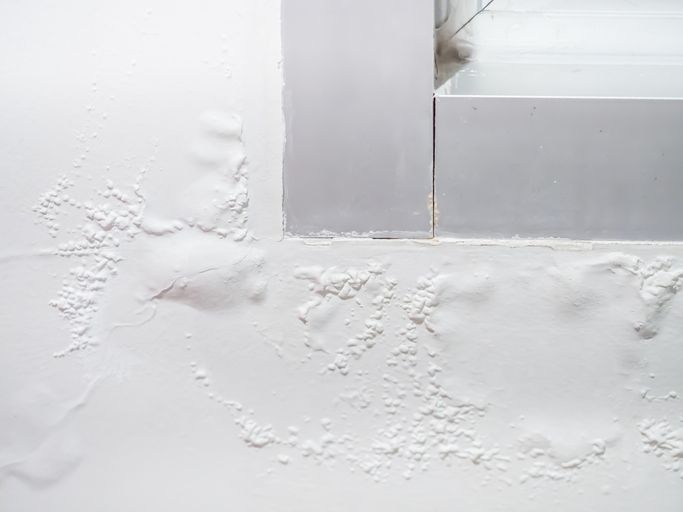
- Peeling or cracking paint
- Faded painted surfaces
- Damaged walls or trim
- Areas that have been patched or repaired
- Inconsistent finishes from previous repairs
- Exterior painted surfaces showing visible deterioration
Creating a list of priority areas before requesting an estimate can help define the scope of the project.
Classroom Painting During Summer Break
Classrooms are one of the most obvious areas to evaluate when school is out.
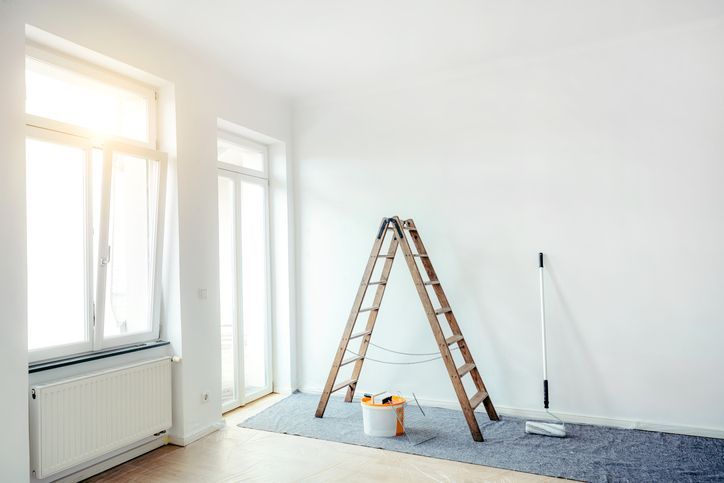
Desks, equipment, decorations, and other classroom materials can make painting more complicated while a room is actively being used. Summer scheduling may provide an opportunity to coordinate painting with other classroom preparation taking place before the new academic year.
Schools considering classroom painting should determine which surfaces need attention, including walls, ceilings, doors, frames, and trim where applicable.
A contractor can then evaluate the existing surfaces and determine what preparation may be required before painting begins.
Address High-Traffic Hallways and Common Areas
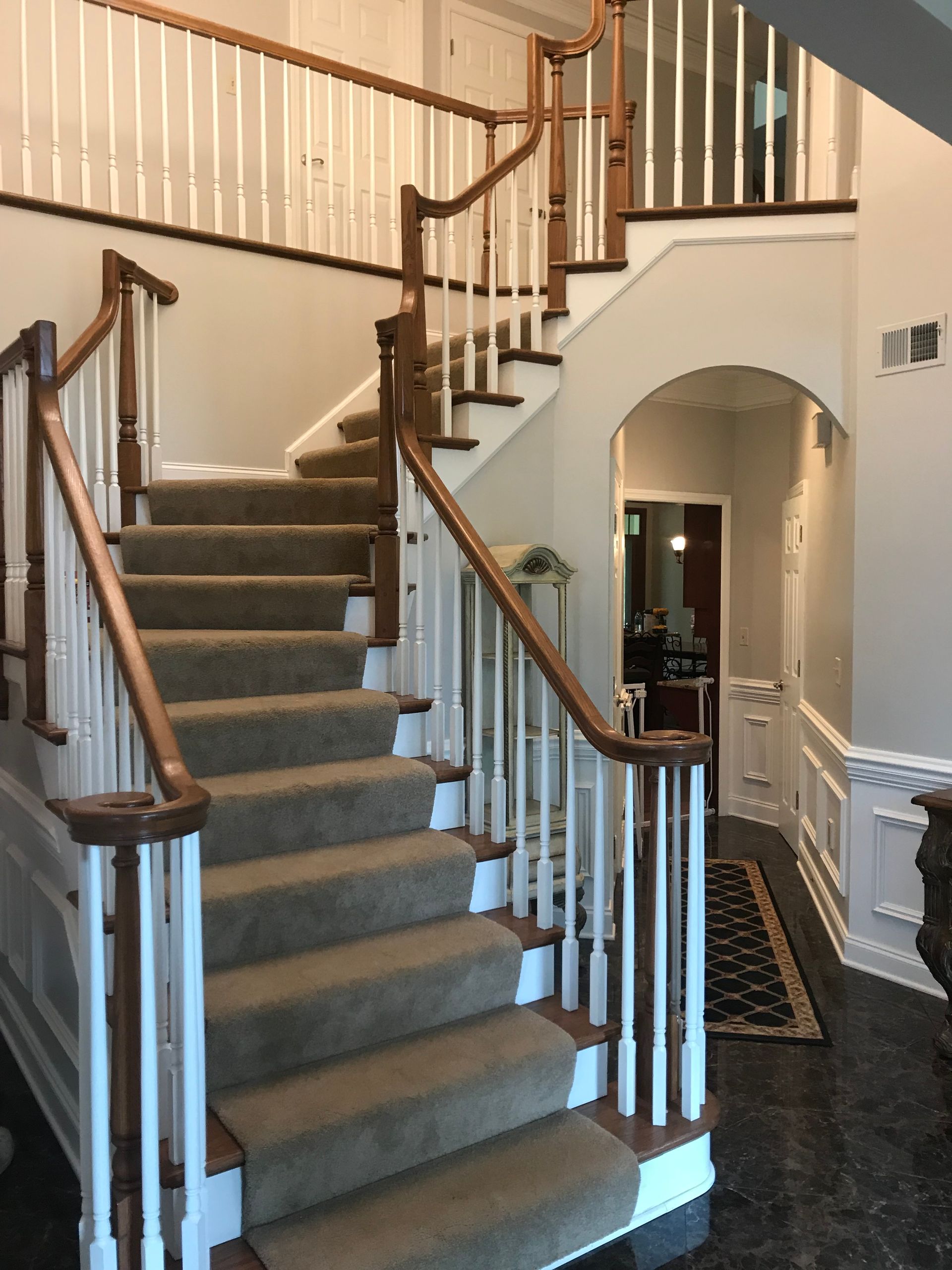
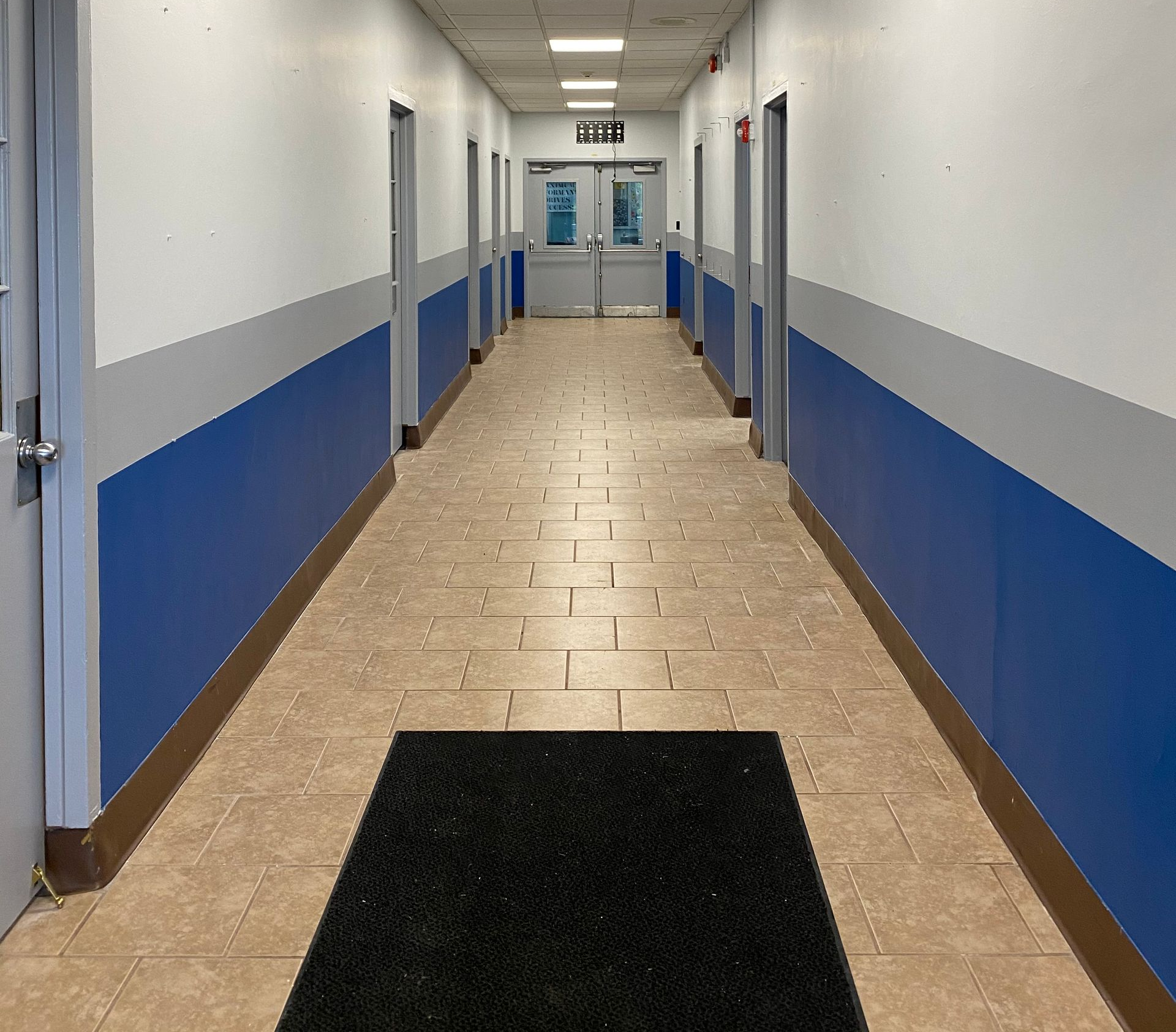
Hallways, stairwells, entrances, and other common areas are highly visible parts of a school.
These areas can accumulate scuffs, marks, and other signs of regular use. Because they also connect different parts of the building, completing work in these spaces during the school year can require additional coordination.
Summer provides an opportunity to inspect these areas and determine whether repainting should be included in the school's facility plans.
Entrances are another area worth reviewing. They are among the first spaces students, parents, staff, and visitors encounter when entering the building, making their appearance an important part of the overall facility.
Consider Cafeterias, Gymnasiums, and Other Large Spaces
Schools contain many spaces beyond traditional classrooms.
Cafeterias, gymnasiums, auditoriums, libraries, multipurpose rooms, and other shared areas may have different painting requirements based on their size, configuration, and use.
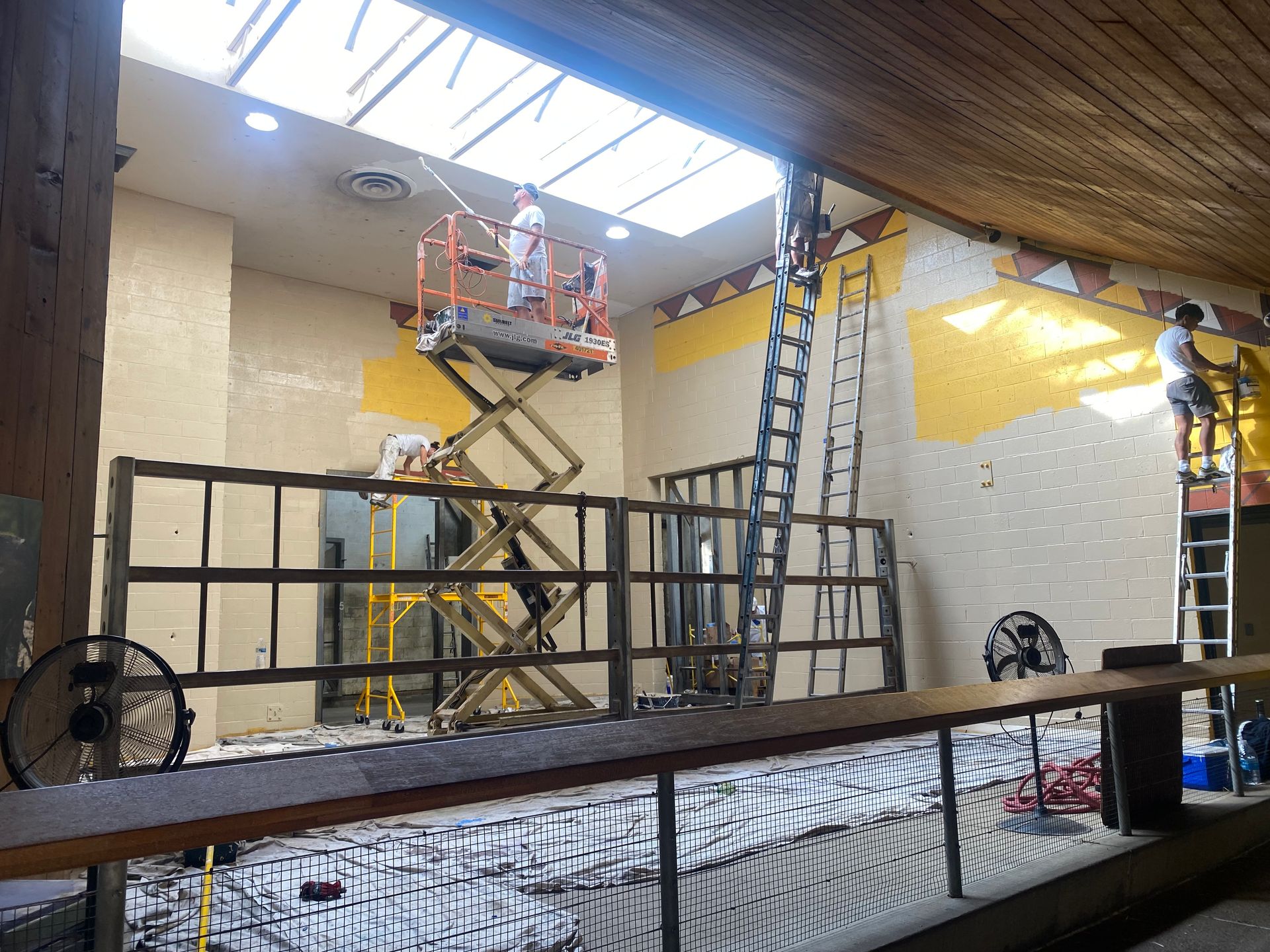
Large spaces can also present practical considerations such as ceiling height, access to upper wall areas, equipment placement, and protecting surfaces that are not being painted.
These factors should be discussed with the painting contractor when establishing the project scope.
Do Not Overlook Administrative Areas
Summer painting plans can also include spaces used primarily by faculty and staff.
Administrative offices, conference rooms, faculty areas, reception areas, counseling offices, and similar spaces can be evaluated alongside student areas.
If only certain portions of the building require attention, separating the project into clearly defined areas can help schools prioritize work according to their facility needs and available schedule.
Evaluate Exterior Painted Surfaces
Summer planning does not have to stop at the school doors.
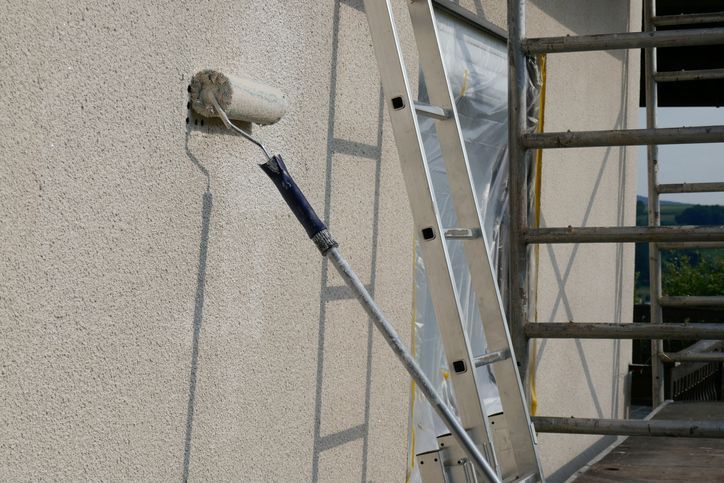
Administrators and facility managers can inspect exterior painted surfaces for visible signs of wear or deterioration. Peeling, cracking, fading, and exposed surfaces may indicate that professional evaluation is appropriate.
Exterior painting requirements depend on the surface, its existing condition, previous coatings, and environmental conditions at the time work is performed.
A professional commercial painting contractor can inspect the applicable surfaces and recommend an appropriate preparation and painting approach based on the conditions present.
Surface Preparation Is an Important Part of School Painting
A professional painting project involves more than applying a new coat of paint.
Existing surfaces should be evaluated before work begins. Depending on their condition, preparation may include cleaning, scraping, sanding, patching, caulking, or priming.
The preparation required will vary depending on the surface and its condition.
When comparing proposals from school painting contractors, administrators should review what preparation is included in each scope of work. Two estimates may appear to cover the same rooms or surfaces while including different levels of preparation.
Coordinate Painting With Other Summer Facility Projects
Painting may be only one project occurring while students are away.
Schools may have maintenance, repairs, cleaning, technology work, furniture movement, or other facility projects scheduled during the same period. These activities should be considered when developing the painting schedule.
Providing contractors with information about other planned work can help identify potential scheduling conflicts before the project begins.
Communication between the school, painting contractor, and other companies working in the building can also help keep different projects organized.
What to Ask a School Painting Contractor
Before selecting a contractor, school administrators and facility managers should understand exactly what is included in the proposed work.
Questions to consider include:
- Which rooms and surfaces are included?
- What surface preparation will be performed?
- What paint products are being proposed?
- How will floors, furniture, fixtures, and other surfaces be protected?
- How will the work be coordinated with other contractors or school personnel?
- Who will be the school's primary point of contact?
- What cleanup is included?
- How will changes to the project scope be handled?
- Is the contractor properly insured for the work being performed?
- What is the proposed project schedule?
A detailed scope provides school decision-makers with better information when comparing commercial painting proposals.
Plan Your Pittsburgh School Painting Project With MasterBrush Painting
Summer can provide schools with greater flexibility to address painting projects while normal classroom activity is reduced. The key is determining what needs attention, establishing the scope, accounting for other facility activities, and coordinating the work around the school's schedule.
Whether the project includes classrooms, hallways, administrative areas, cafeterias, gymnasiums, common spaces, or exterior surfaces, planning ahead can help school administrators organize the work before students return.
MasterBrush Painting provides school painting services in the Pittsburgh area. If your school is considering an interior or exterior painting project, contact MasterBrush Painting to discuss your facility, project scope, and scheduling needs.

Author: MasterBrush
The painting crew is made up of clean-cut, honest and hard-working professionals who all have 20 to 30+ years of painting experience. They have also been together as a crew for many years, which adds to the smooth completion of each job. All of their customers comment on the efficiency, quietness, consideration to their homes (like not smoking) and their overall professional behavior.