After the Summer Rush: School Painting Projects That Can Be Completed During the Academic Year

Summer break is often an attractive time for school facility projects because fewer students are in the building and access is easier to coordinate. But students' return doesn't mean every painting need has to wait until the following summer.
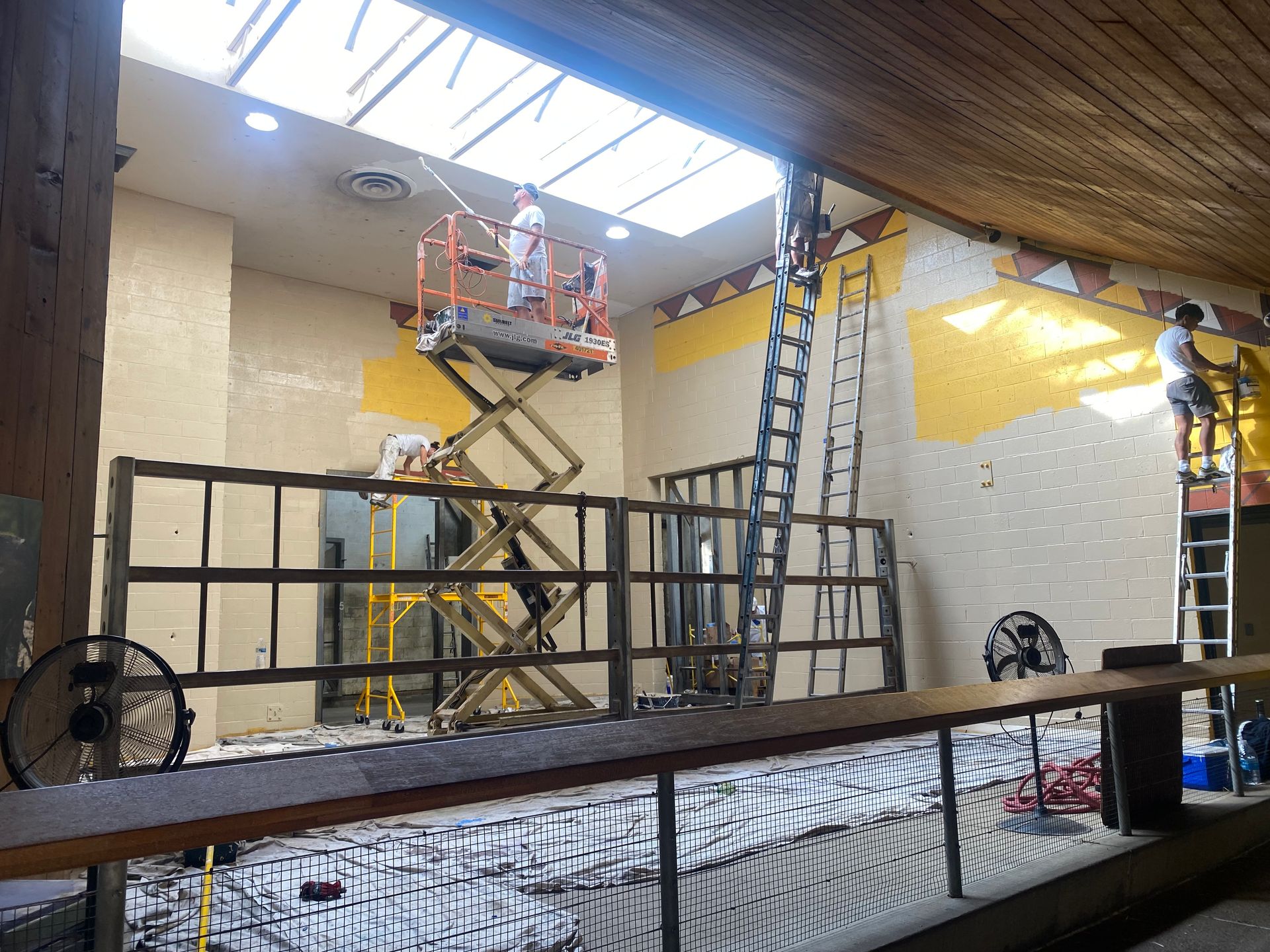
Schools can continue evaluating painted surfaces throughout the academic year and determine whether certain projects may fit around their operating schedule. Depending on the scope, surface condition, access requirements, and activities in the building, smaller or phased projects may be worth discussing with a professional commercial painting contractor.
For administrators and facility managers researching school painting services in Pittsburgh, the important first step is determining what needs attention and whether the work can reasonably be coordinated with the school's schedule.
School Painting Does Not Have to Be Limited to Summer Break
Summer can provide greater scheduling flexibility, particularly when larger areas of a school need attention. That does not mean the entire school year needs to pass before painting can be discussed again.
An individual classroom, administrative area, meeting room, hallway section, or group of spaces may present a different scheduling situation than a full-building painting project. Schools can identify those areas as needs arise and discuss the scope with a commercial painting contractor.
The goal should not be to fit painting into an occupied building at any cost. Some projects may require access or working conditions that make another time more appropriate. Evaluating the actual scope lets the school and contractor determine which options make sense for that facility.
Identify Areas That Need Attention
Instead of repainting according to an arbitrary calendar, start with the actual condition of the surfaces throughout the school.
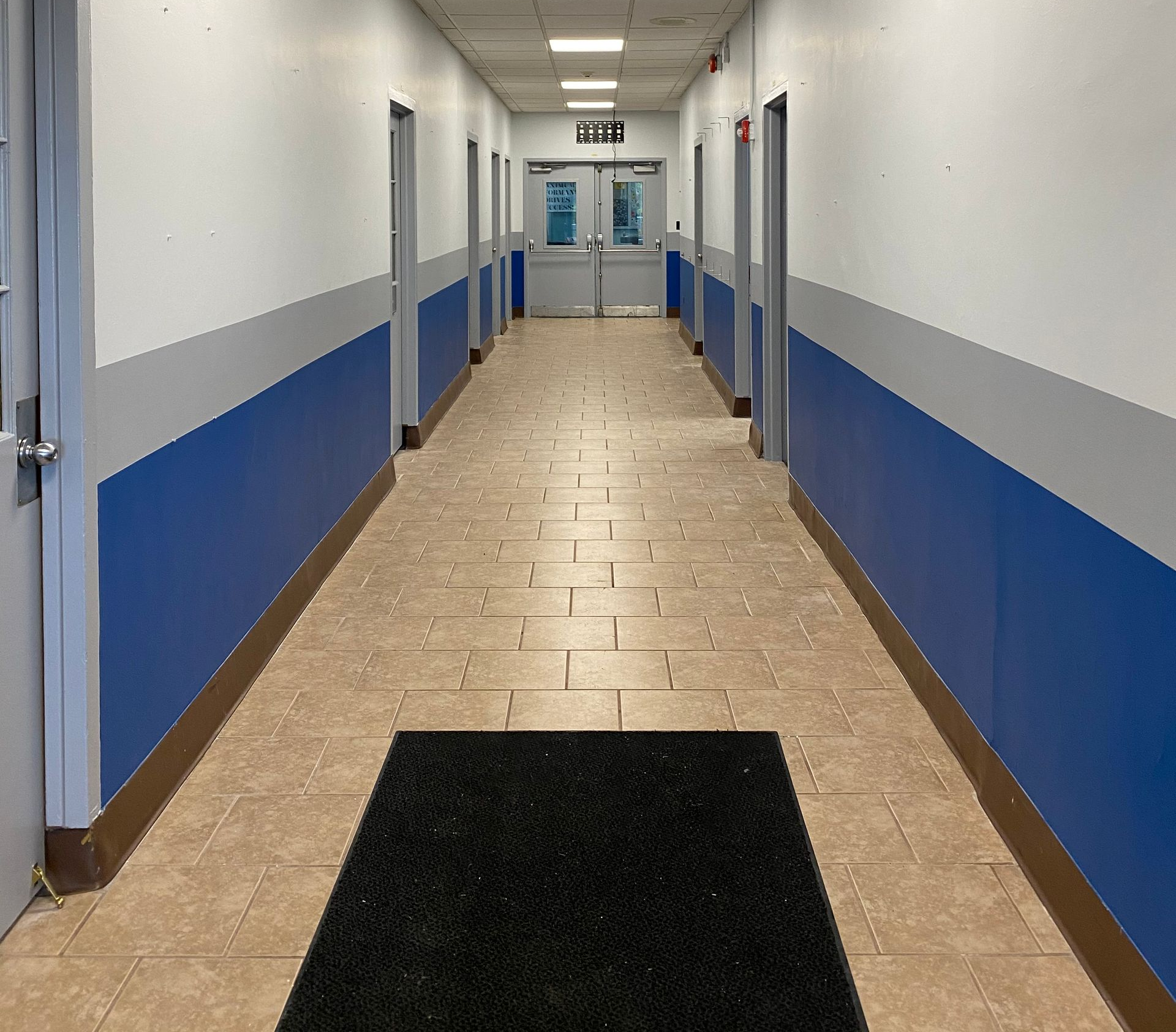
Classrooms may have scuffs, marks, patched areas, or other visible wear. Administrative offices and meeting rooms may need attention after years of regular use. Hallways, entrances, cafeterias, staff spaces, gymnasiums, and common areas can also be reviewed based on their current condition.
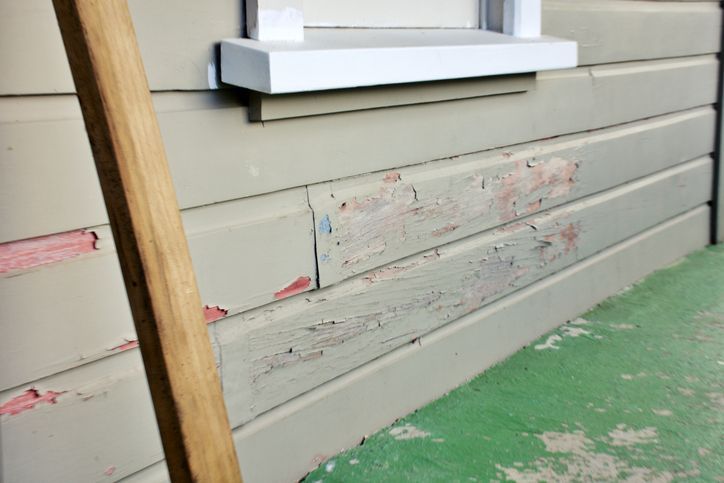
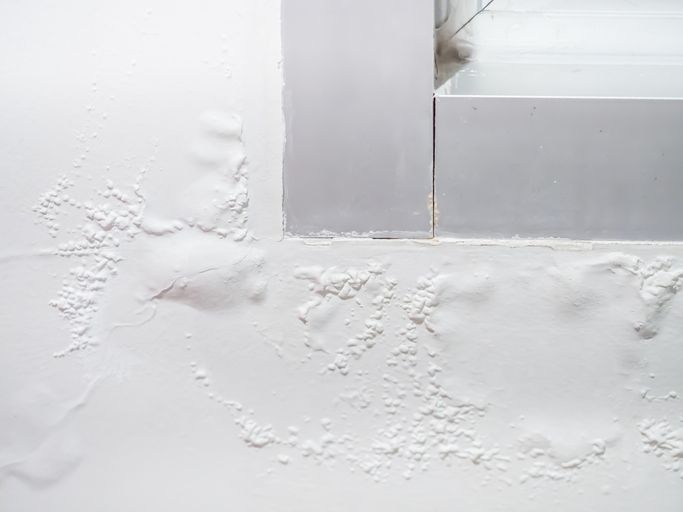
Facility teams can look for peeling or cracking paint, faded surfaces, damaged walls or trim, previous repairs, or finishes that no longer appear consistent.
This type of inspection helps establish priorities. A school may find that one hallway requires attention while another remains in good condition, or that several classrooms need work even though the rest of the floor does not.
Starting with surface condition keeps the painting plan focused on actual facility needs.
Consider Smaller and Phased Painting Projects
A school painting project does not always need to include the entire building at once.
Breaking a larger scope into defined areas can make it easier to evaluate scheduling and access during the academic year. Depending on the facility, that could mean discussing one section of the building, one floor, a hallway, several classrooms, or another clearly defined group of spaces.
Phasing can also help administrators establish priorities. An area with visible surface deterioration may be evaluated before spaces where the existing paint remains in acceptable condition.
Whether phasing is practical will depend on the individual project. Preparation requirements, room use, access, other facility work, and overall scope all need to be considered before establishing a schedule.
A commercial painting contractor can review these factors with the school and help define what to include in each phase.
Work Around the School Calendar
Painting during the academic year requires more than finding an open room. Schools have many activities competing for building access throughout the week.
Class schedules are an obvious consideration, but administrators should also account for teacher and staff schedules, after-school programs, athletic events, parent meetings, performances, school programs, and other building uses.
Other facility projects matter as well. Maintenance work, repairs, technology projects, furniture movement, cleaning, or other contractor activity can affect access to an area.
Before work begins, the school and painting contractor should discuss when spaces are used, who needs access, and what other work is scheduled nearby. Clear communication helps both sides understand the conditions that may affect the project.
It is also useful to establish a primary contact for the school so scheduling questions or changes can be addressed through a consistent point of communication.
Use Upcoming School Breaks as Planning Opportunities
Summer is not the only scheduled break on a school calendar.
Fall breaks, holiday periods, winter breaks, spring breaks, professional development days, and other planned closures may create opportunities to discuss certain projects with a painting contractor.
View these periods as planning opportunities rather than guaranteed project windows.
A project that appears small may require more preparation than expected once the surfaces are evaluated. Room size, existing surface condition, repairs, access requirements, the number of surfaces involved, and the overall scope can all affect scheduling.
Schools should avoid assuming a project can be completed within a specific break before the contractor reviews it. Instead, administrators can identify upcoming dates and discuss whether those dates fit the proposed scope.
Planning gives the school and contractor more information to consider when weighing scheduling options.
Surface Preparation Still Matters
A limited schedule should not mean skipping necessary surface preparation.
The condition of the existing surface should determine the appropriate preparation before painting begins. Depending on what the contractor finds, preparation may include cleaning, patching, scraping, sanding, caulking, priming, or a combination of these steps.
Preparation can affect both the scope and scheduling of classroom painting services or larger educational facility painting projects. That is why it should be discussed before work begins, not treated as an afterthought.
When reviewing a painting proposal, school decision-makers should look closely at what preparation is included. Two proposals covering the same rooms may not necessarily include the same work.
Understanding the preparation requirements makes it easier to compare project scopes and determine what is actually being proposed.
Questions to Ask Before Scheduling School Painting
The right questions can help administrators compare school painting contractors and understand how a proposed project will fit into the facility's operations.
Which areas should be prioritized?
Start with areas showing visible wear, damage, deterioration, or previous repairs. Also consider how frequently each space is used and whether the school can provide the access required for the proposed work.
A contractor can evaluate the identified areas and help define a scope based on the conditions present.
What preparation is included?
Ask the contractor to explain what will happen before applying paint. Depending on the condition of the surfaces, the scope may include cleaning, patching, scraping, sanding, caulking, or priming.
The proposal should make the expected preparation clear enough for the school to understand what is included.
How will areas not being painted be protected?
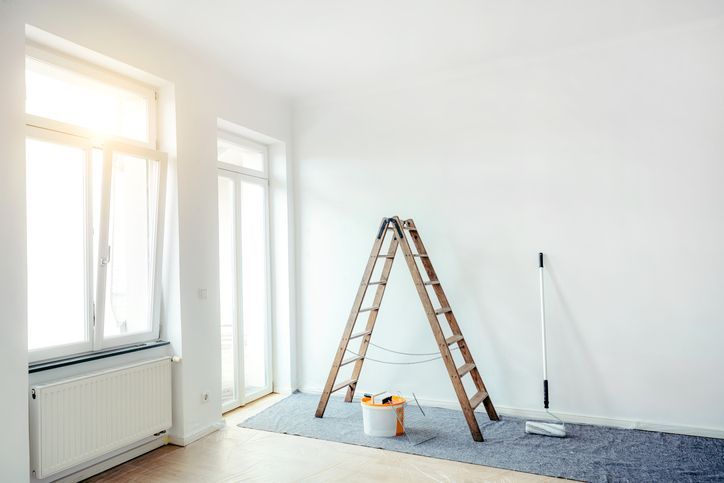
Schools should understand how floors, fixtures, furnishings, adjacent surfaces, and other areas outside the painting scope will be addressed during the project.
The contractor should explain the protection plan as part of the project discussion so the school understands what will happen in and around the work area.
How will work be coordinated around school activities?
Provide the contractor with relevant information about classes, staff schedules, extracurricular activities, meetings, events, and other facility projects.
The more complete the scheduling information is before work begins, the easier it is to identify potential conflicts and discuss appropriate access to the work areas.
What products are proposed for the project?
Ask what coatings and finishes are included in the proposal and where they will be used.
The contractor should be able to explain what is proposed for the specific surfaces involved, rather than leaving the school to assume what materials are included in the project.
What is included in cleanup?
Address cleanup as part of the project scope.
Ask what cleanup is included after painting and what condition the work area is expected to be in when the contractor has finished. Clarifying this before the project begins helps establish expectations for both parties.
Who will serve as the primary project contact?
Schools should know who to contact about access, scheduling questions, scope details, or other project matters.
It is also helpful for the school to designate its own primary contact so information can move consistently between the facility and the contractor.
How will changes to the project scope be handled?
Conditions or priorities can sometimes change after the original scope has been discussed.
Before work begins, ask how additional work or changes will be communicated, reviewed, and approved. A clear process can help avoid confusion about what is part of the original project and what has changed.
Planning School Painting Services in Pittsburgh
If summer ended before your school's painting plans were complete, the next step doesn't necessarily have to be waiting until the following summer.
Administrators and facility managers can continue inspecting painted surfaces, identifying priority areas, reviewing the school calendar, and discussing possible project scopes throughout the academic year.
The right approach will depend on the individual school. Some painting needs may be appropriate to discuss as smaller or phased projects, while others may require a different scheduling window. A professional evaluation can help the school understand those considerations before making a decision.
MasterBrush Painting provides school painting services in Pittsburgh. Administrators and facility managers can discuss their facility needs, project priorities, scope, and scheduling considerations before determining how to move forward.
Need to address painting projects after students have returned? Contact MasterBrush Painting to discuss your school's painting needs, project scope, and scheduling considerations.

Author: MasterBrush
The painting crew is made up of clean-cut, honest and hard-working professionals who all have 20 to 30+ years of painting experience. They have also been together as a crew for many years, which adds to the smooth completion of each job. All of their customers comment on the efficiency, quietness, consideration to their homes (like not smoking) and their overall professional behavior.